

Materials / APEX Membranes
Membranes.
Precision-Engineered
Performance.
How Membranes Work
Printed Strings,
Not Rolled Goods.
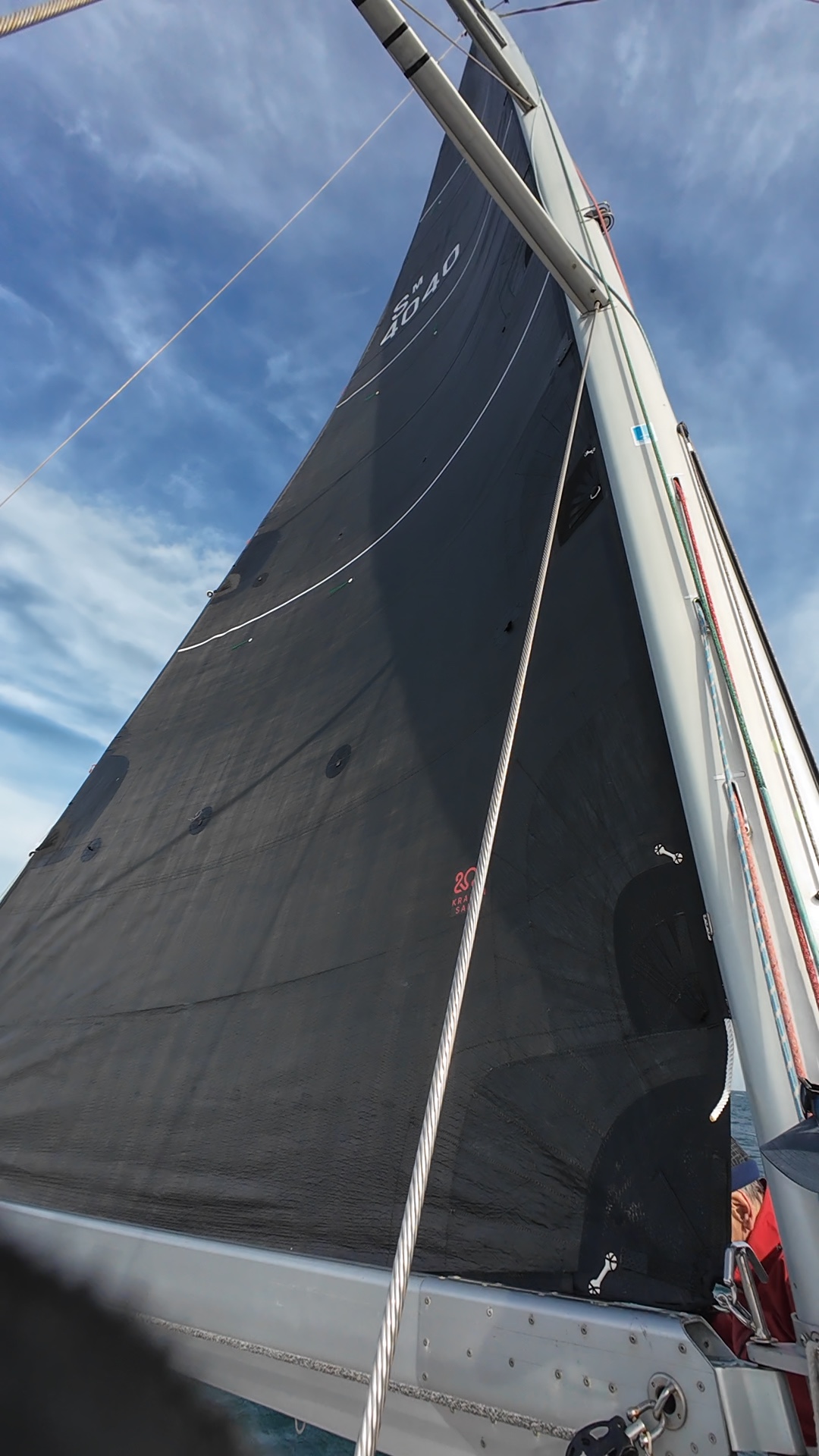

Reefing
Where Membranes
Really Shine.
Shape & Tuneability
Smooth, Responsive,
and Designed to Move.
That smoothness translates to tuneability. The more movement there is in your rig, backstay tension, mast bend, cunningham, the more a membrane sail can respond to those adjustments. For boats with dynamic rigs and active sail controls, membrane construction gives you a sail you can genuinely drive.
Internal Structure
Fibres: The Backbone
of Your Sail.
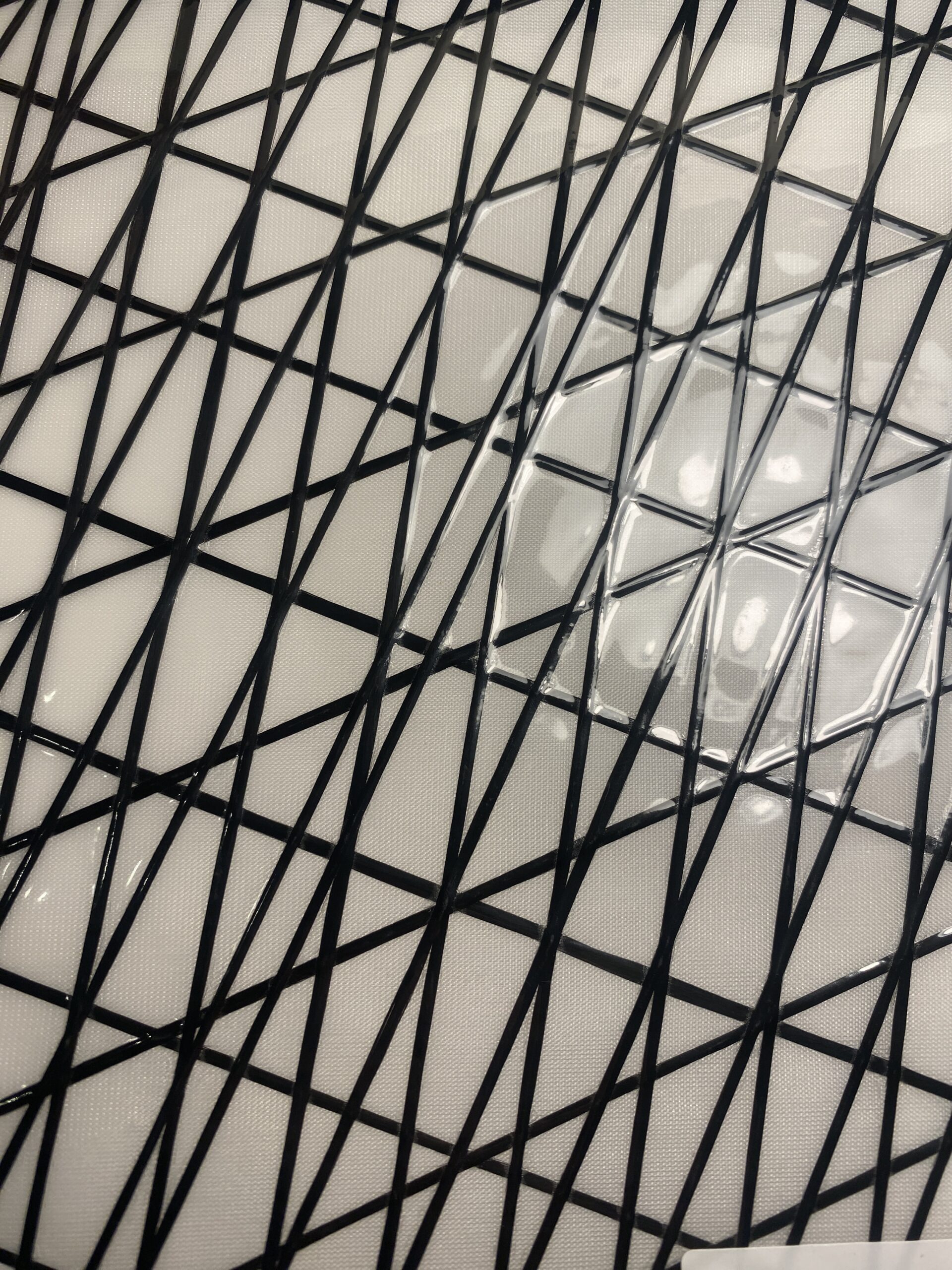
Carbon Fibre
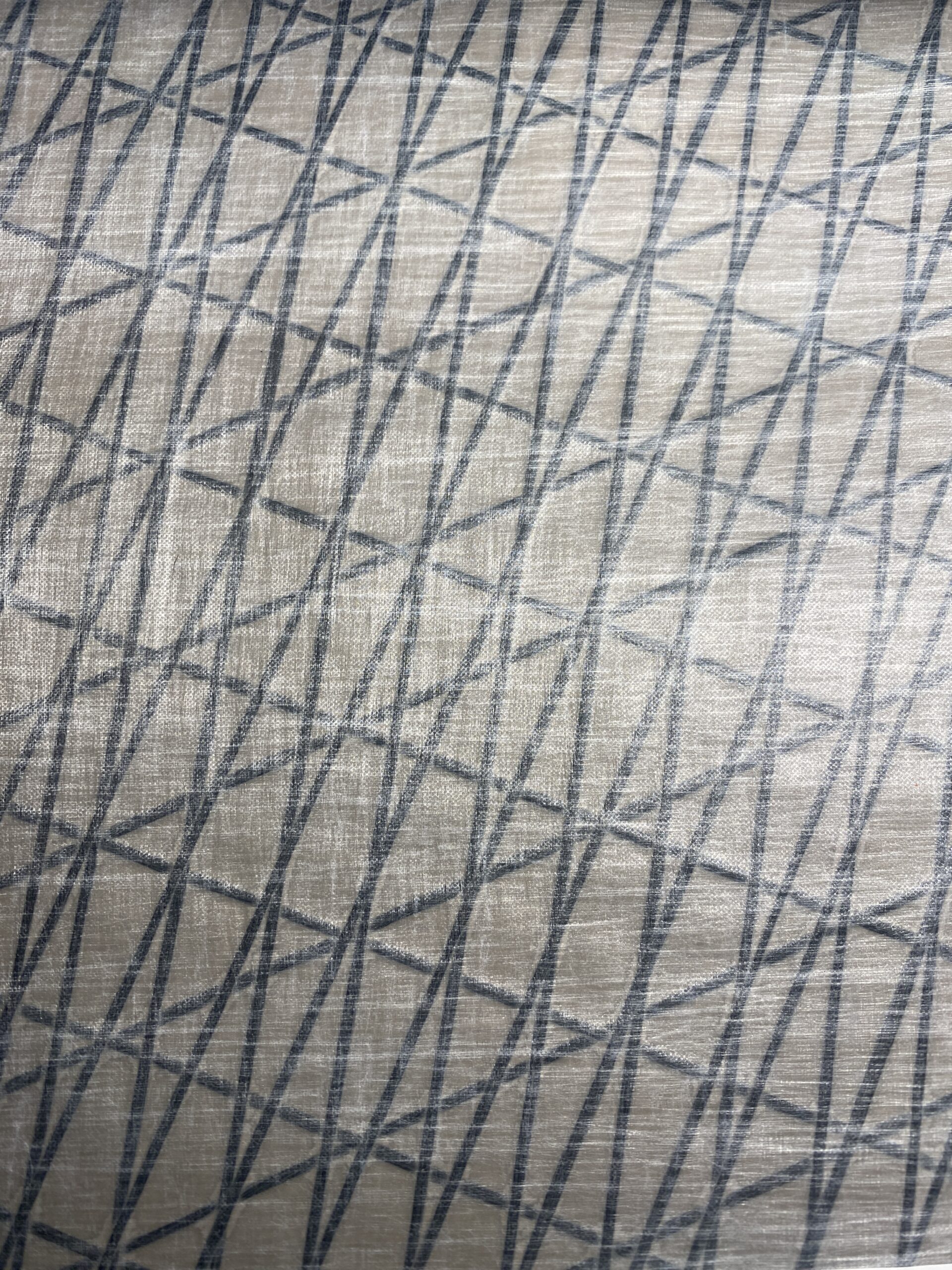
UHMWPE (Dyneema)
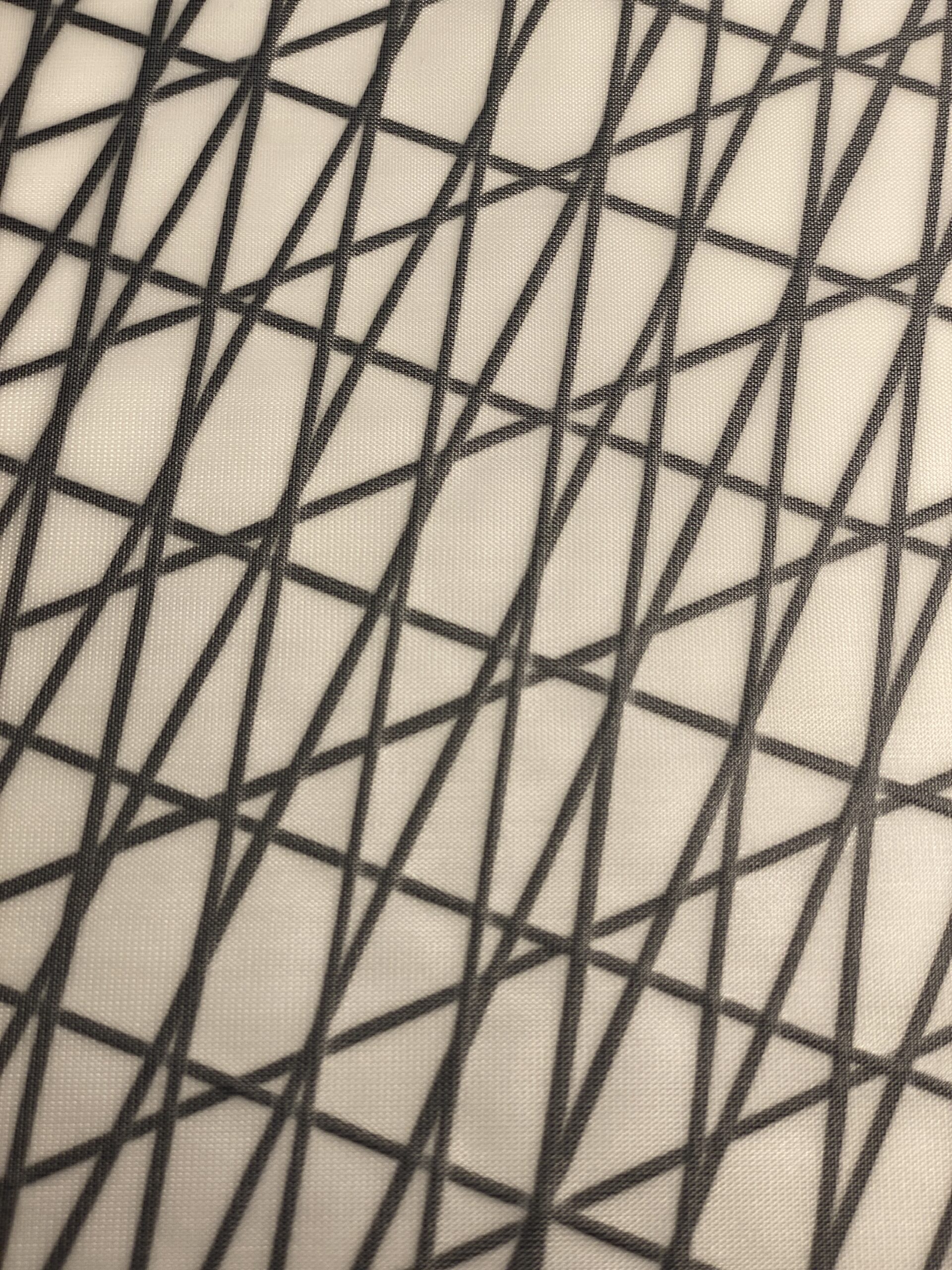
TECHNORA
When you need near-carbon stiffness but with superior fatigue resistance and flexibility to handle real-world handling and sustained loads.
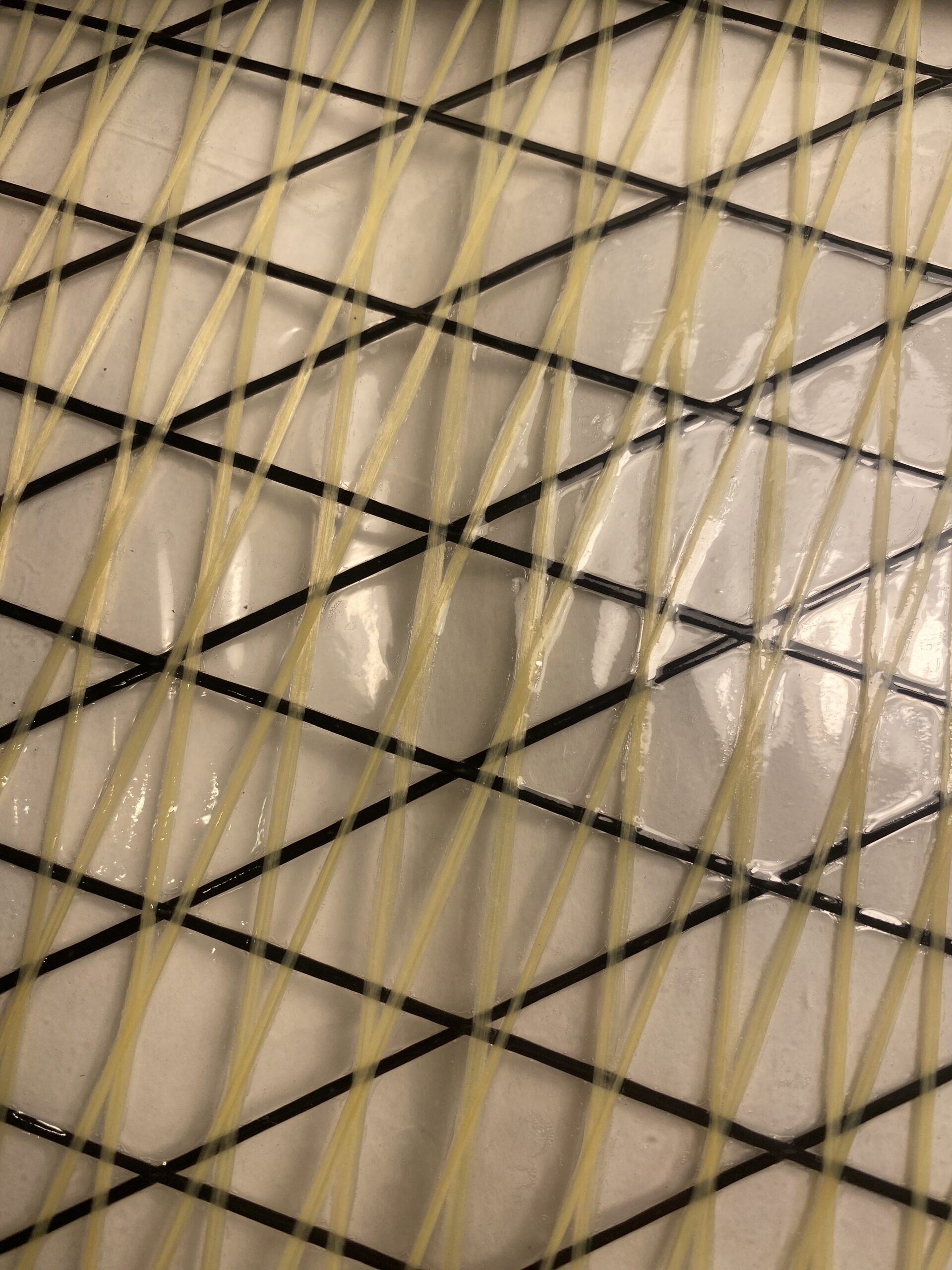
Twaron
Protection
Facing Fabrics:
Protection and Durability.
These facing fabrics are bonded to one or both sides of the membrane, creating a protective shell that maintains the sail’s integrity. The choice of facing depends on the application, from ultra-light film for racing to taffeta for maximum durability in cruising conditions.
Every facing fabric comes in almost every colour, from clear, matte clear, gloss black films, white, black and grey non-wovens, to white, grey and black taffetas.
Pick the application that’s perfect for your campaign, and we’ll help you get the look just right.
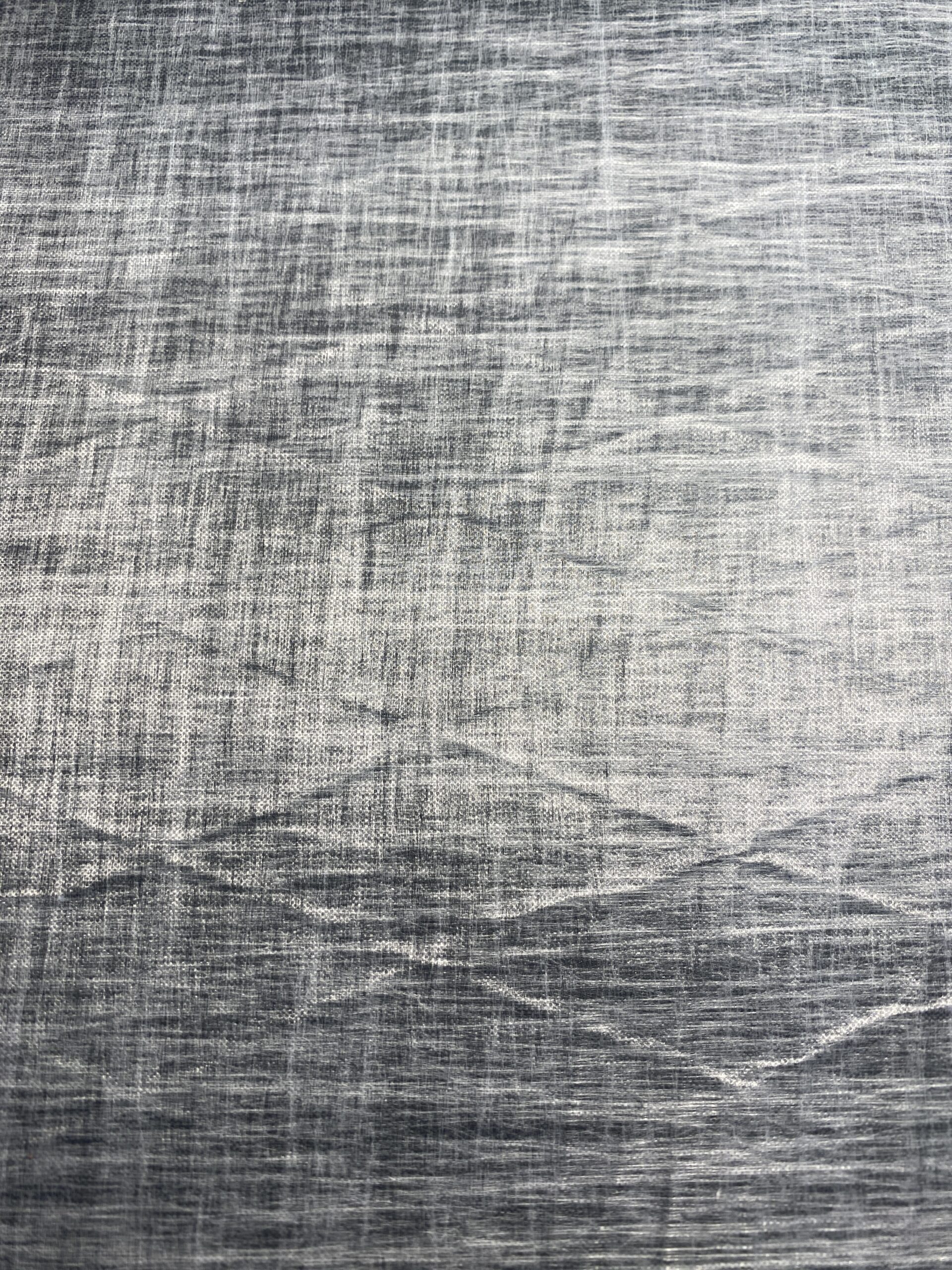
Film Skins
The lightest skin, when weight is a priority and you’re racing inshore, without overlapping sails. A great choice if you’re rolling sails after racing, or don’t have overlapping jibs.
non-Woven Skins
A great compromise between weight and durability, they offer more chafe resistance, for lightweight offshore sails, or overlapping headsails that hit the rigging every tack
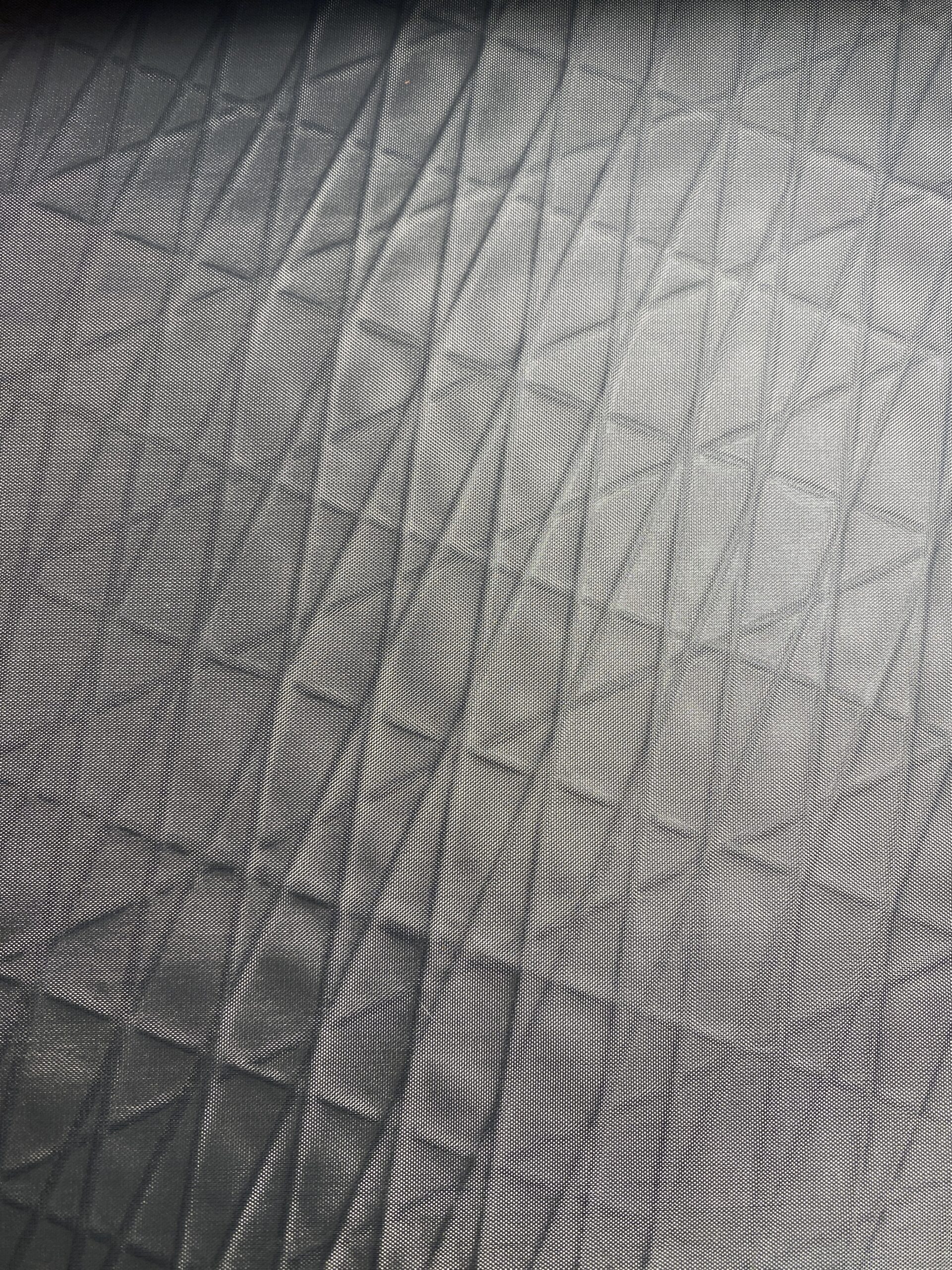
Taffeta Skins
The ultimate in durability, taffeta gives the best protection to internals at the expense of weight. The go-to skin for heavy-weather offshore applications and durability.
Membrane vs Laminate
When to Choose Which.
Choose Membrane When
- You need a reefing mainsail with optimised shape at every reef depth
- You have a bendy rig and want maximum tuneability
- You’re racing offshore and need structural integrity without belt bulk
- You want the smoothest possible sail surface
- You need reefing headsails with designed load paths
Choose Laminate When
- You want the lightest possible film-skinned headsail
- You need a furling sail (DCX Cruise is purpose-built for this)
- Budget favours rolled goods (polyester laminates are more cost-effective)
- The sail type doesn’t benefit from printed string construction