
Go
Browse all 1,200+ boats →
Materials / APEX Membranes

Membranes.
Precision-Engineered
Performance.

At Kraken Sails, our APEX membrane sails are crafted to redefine performance for racing and high-performance cruising. Each membrane is built from the ground up to deliver unmatched strength, lightness, and shape retention. Using the world’s most advanced 3D modelling tools, fibres, scrims, and facing fabrics, we tailor every sail to your boat’s exact specifications, ensuring precision and durability on the water.
How Membranes Work

Printed Strings,
Not Rolled Goods.
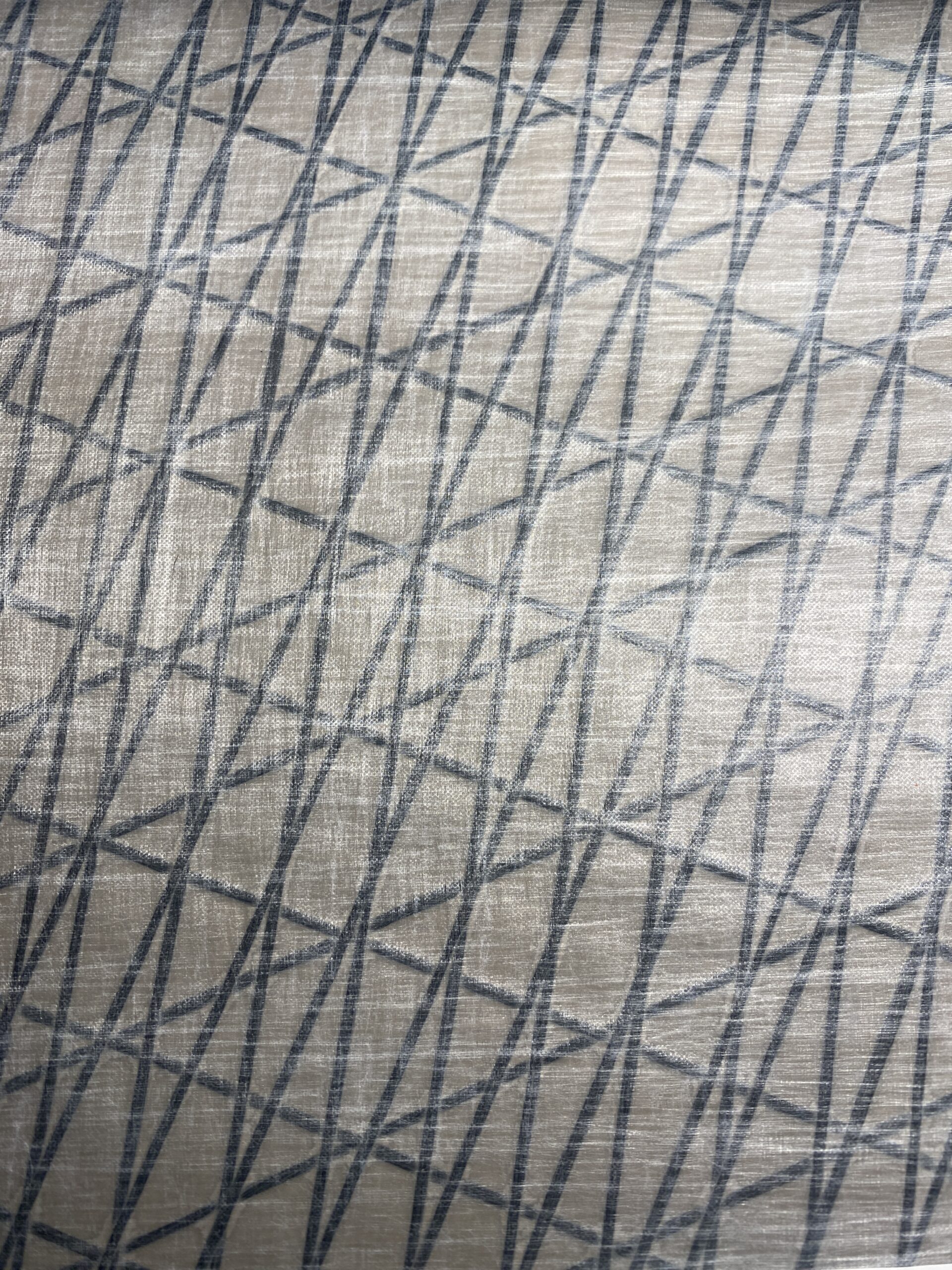
The fundamental difference between a membrane and a laminate is how the internal structure is created. A laminate arrives as a roll of cloth with fixed characteristics on three axes. You cut panels from that roll and align them to the load paths as best you can. It’s effective, but you’re always working within the constraints of a fabric that was manufactured before the sail was designed.
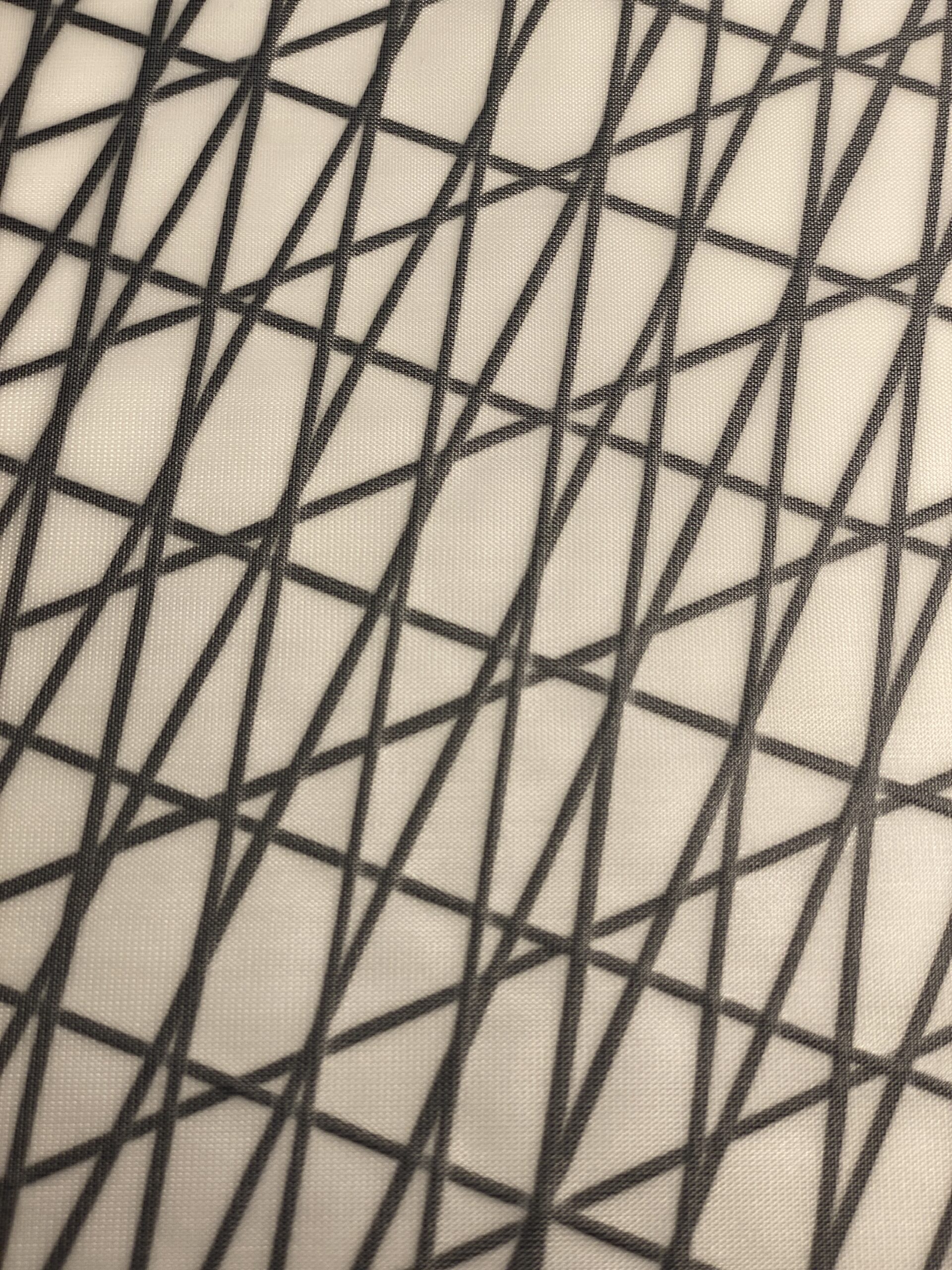
A membrane starts with the sail design. We calculate the exact load paths through the sail, from clew to head, from tack to leech, and everything in between. Then individual fibres (called strings) are printed across panels roughly 1.3 metres wide, following those calculated paths precisely. The strings go exactly where the force goes.
Those panels are then glued together to create a very smooth, analogue shape. Where a tri-radial laminate is built from dozens of small panels joined at seams, a membrane has far fewer joints and a much smoother surface. That smoothness isn’t just cosmetic, it’s aerodynamic.
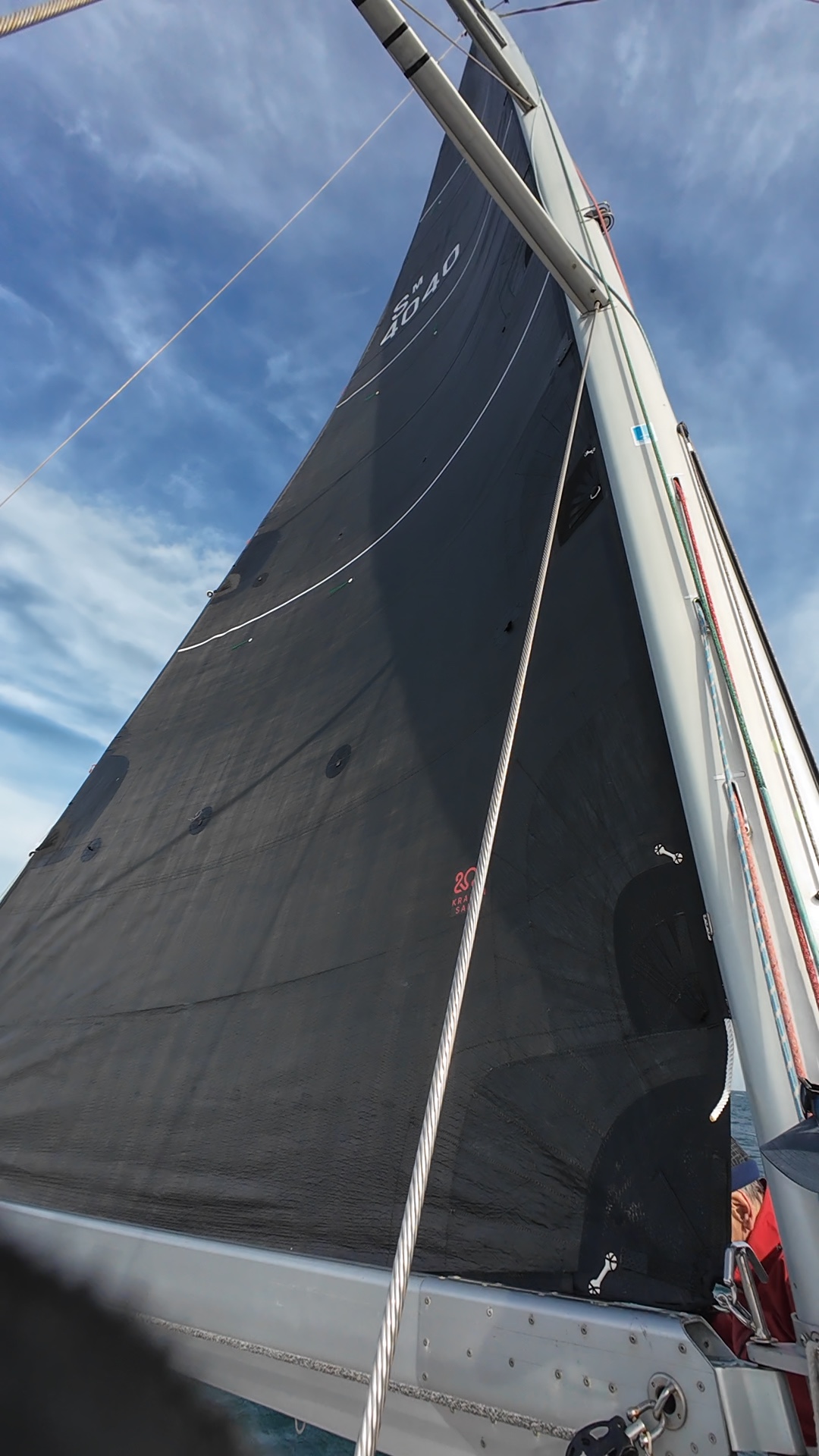
Membrane Ocean Racing Mainsail in Matte Back Non Woven Facing.
Membrane Load path mapping
Reefing

Where Membranes
Really Shine.

One of the most compelling use cases for membrane construction is reefing mainsails, and it’s the reason many offshore racing boats choose membrane over laminate.
In a tri-radial laminate mainsail, the higher you go up the sail, the more vertically aligned the radial panels become. When you reef, particularly into a deep third reef, the load forces shift to work horizontally across panels that are fundamentally aligned for vertical forces. Laminate sails manage this with sail body belts, horizontal bands of reinforcement at each reef point. They work, but they add weight and they’re a compromise.
A membrane solves this differently. Because we’re printing individual strings, we can print a smaller sail shape at each reef point. Horizontal strings as well as diagonal and vertical strings, designed specifically for the loads that exist when the sail is reefed to that depth. The result is a measurably better shape at every reef point. You can crank on the clew and flatten the sail out, and it responds cleanly because the load paths at that reef depth are designed in, not reinforced after the fact.
This isn’t just for mainsails either. If you have hanked-on headsails that reef, we can build membrane reefing headsails using the same approach.
Shape & Tuneability

Smooth, Responsive,
and Designed to Move.

Membrane sails produce a smoother shape than panelled sails because the surface is built from wider panels glued together rather than narrow tri-radial sections stitched at seams. Fewer seams means less distortion, and the printed string layout means the structure is optimised everywhere, not just where a panel edge happens to fall.

That smoothness translates to tuneability. The more movement there is in your rig, backstay tension, mast bend, cunningham, the more a membrane sail can respond to those adjustments. For boats with dynamic rigs and active sail controls, membrane construction gives you a sail you can genuinely drive.

Internal Structure

Fibres: The Backbone
of Your Sail.
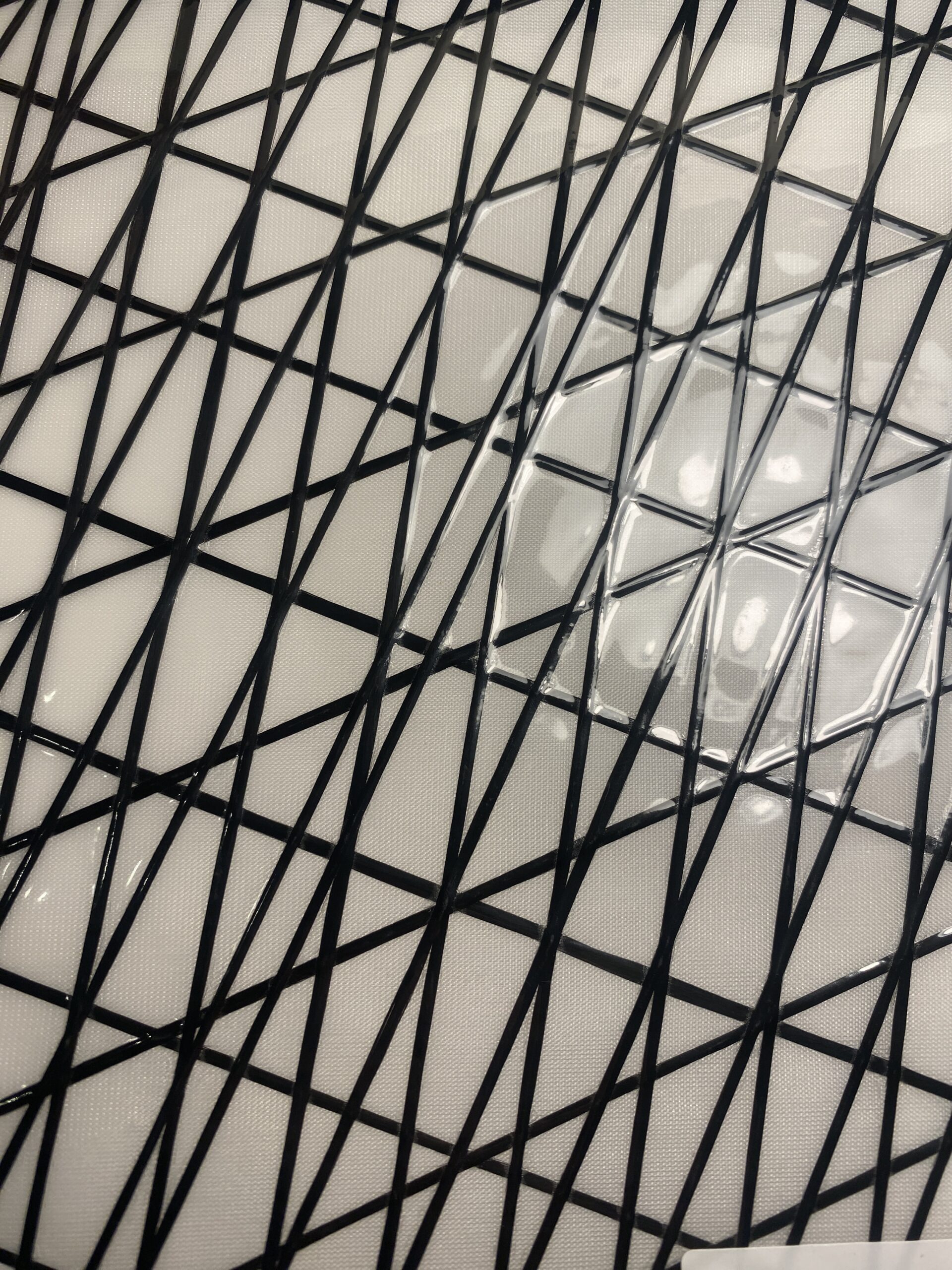
The performance of our APEX membranes begins with the fibres we select, each chosen for its strength to weight ratio and durability needed for your application. These fibres are laid in combinations specific to you, in a custom grid, denser in high load areas like the corners and draft, and sparer in low stress zones, optimising weight and performance.
Clear Film White Taffeta

Carbon Fibre

Ultra-light and with great tensile strength, ideal for grand prix racing where every ounce matters. Carbon delivers unmatched shape retention for high-performance sails.
Light Grey Liteskin

UHMWPE (Dyneema)

Known for its high tenacity and UV resistance, Dyneema is perfect for long distance offshore cruising or racing, offering durability without added weight.
light whilte taffeta twaron black technora xply

TECHNORA

When you need near-carbon stiffness but with superior fatigue resistance and flexibility to handle real-world handling and sustained loads.
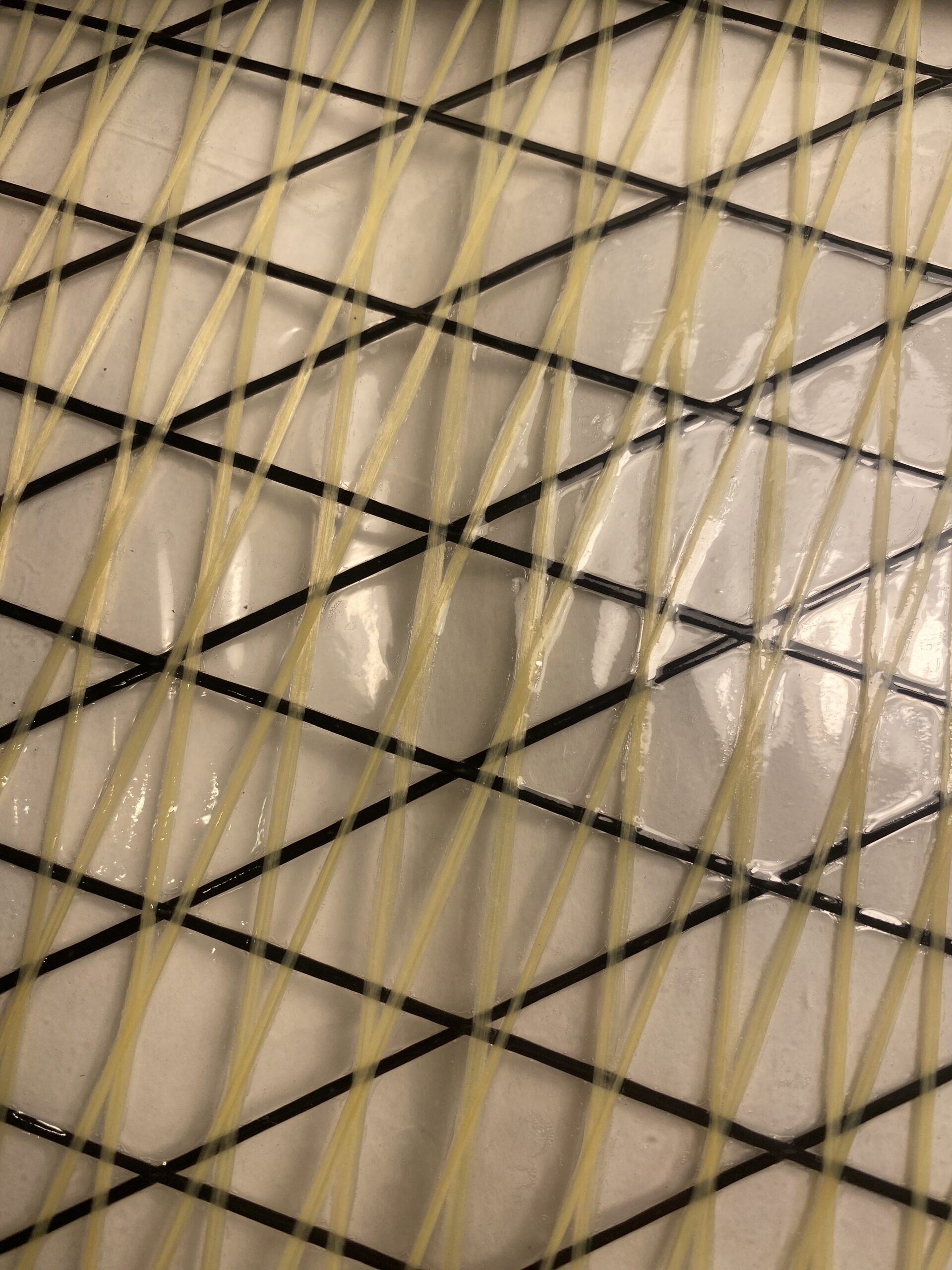
clear film twaron gold vectran fibre with

Twaron

A high performance para-aramid fibre, similar to Kevlar. Known for its exceptional strength to weight ratio, modulus and stability, it comes from ballistics.
Protection

Facing Fabrics:
Protection and Durability.

To protect the fibre and scrim core, we use facing fabrics that shield against abrasion, UV exposure and environmental wear. These outer layers ensure your sail remains robust over years of use.

These facing fabrics are bonded to one or both sides of the membrane, creating a protective shell that maintains the sail’s integrity. The choice of facing depends on the application, from ultra-light film for racing to taffeta for maximum durability in cruising conditions.

Every facing fabric comes in almost every colour, from clear, matte clear, gloss black films, white, black and grey non-wovens, to white, grey and black taffetas.  

Pick the application that’s perfect for your campaign, and we’ll help you get the look just right.

Clear Film White Taffeta

Film Skins

The lightest skin, when weight is a priority and you’re racing inshore, without overlapping sails. A great choice if you’re rolling sails after racing, or don’t have overlapping jibs.
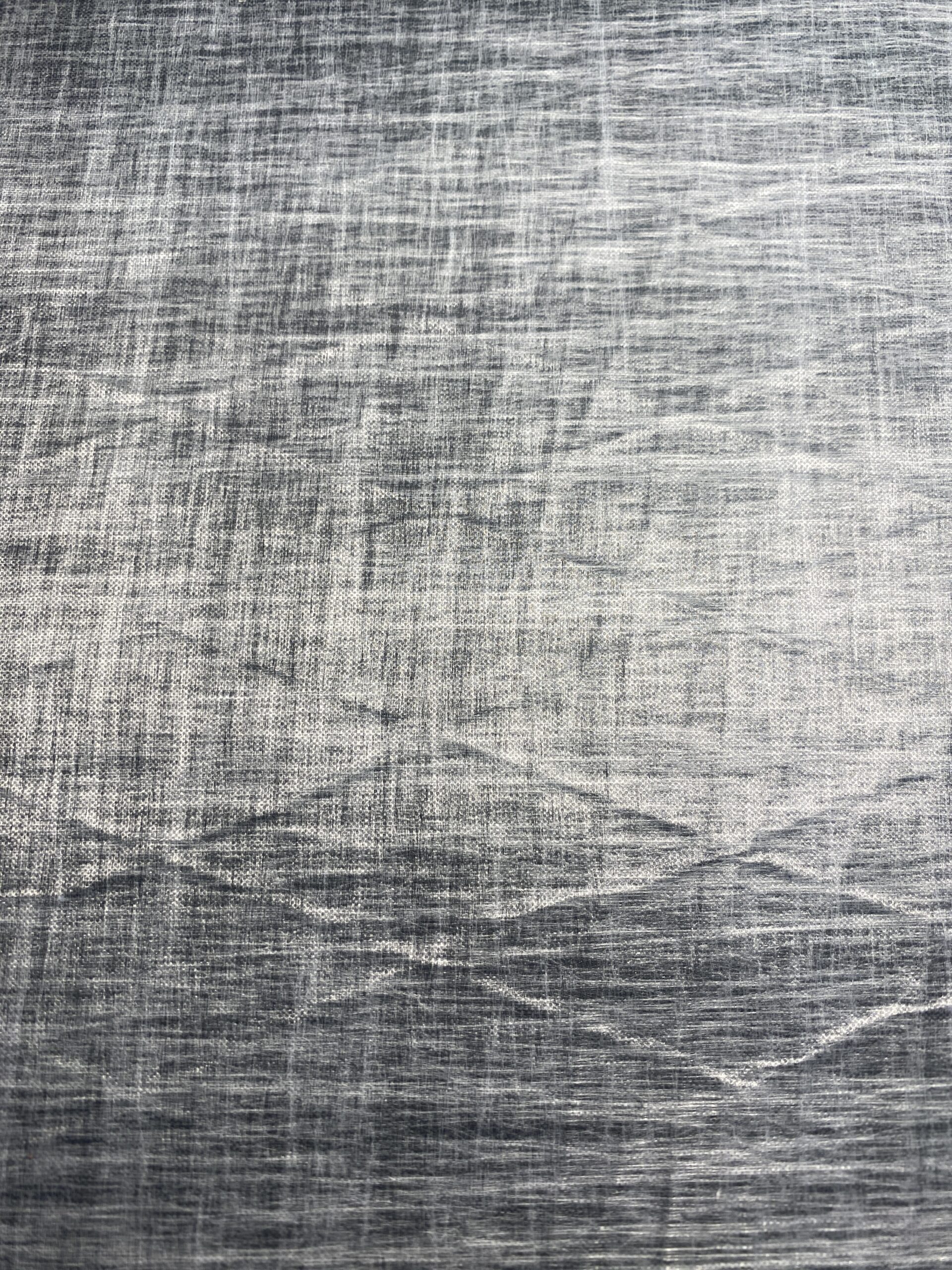
heavy traditional grey liteskin

non-Woven Skins

A great compromise between weight and durability, they offer more chafe resistance, for lightweight offshore sails, or overlapping headsails that hit the rigging every tack
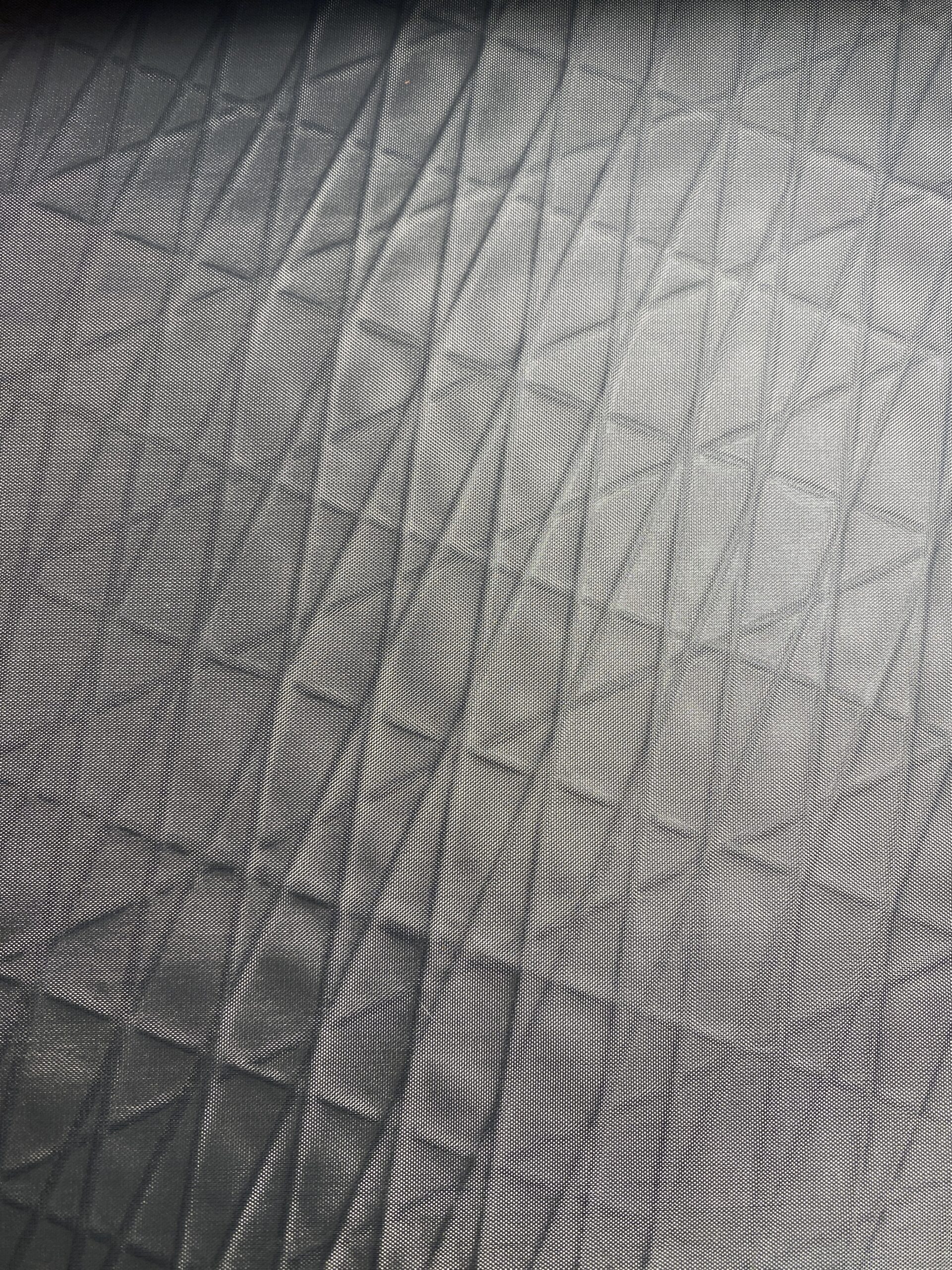
Black Taffeta

Taffeta Skins

The ultimate in durability, taffeta gives the best protection to internals at the expense of weight.  The go-to skin for heavy-weather offshore applications and durability.

Membrane vs Laminate

When to Choose Which.

Choose Membrane When

  • You need a reefing mainsail with optimised shape at every reef depth
  • You have a bendy rig and want maximum tuneability
  • You’re racing offshore and need structural integrity without belt bulk
  • You want the smoothest possible sail surface
  • You need reefing headsails with designed load paths

Choose Laminate When

  • You want the lightest possible film-skinned headsail
  • You need a furling sail (DCX Cruise is purpose-built for this)
  • Budget favours rolled goods (polyester laminates are more cost-effective)
  • The sail type doesn’t benefit from printed string construction

Ready for the Best Shape
Your Boat Has Ever Had?

Tell us about your boat, your rig, and how you sail. If membrane construction makes sense for your programme, we’ll explain exactly why, and if it doesn’t, we’ll point you to the material that does.